
Let’s talk about the problems that can affect male sexual performance
Male sexual problems are more common than you might think and can affect men of any age, causing decreased libido, erectile difficulties, or general dissatisfaction in intimate relationships.
These disorders often have multiple causes, including physical factors such as cardiovascular or hormonal diseases, and psychological aspects related to stress, anxiety, or low self-esteem.
Understanding the root cause of your problem is essential for finding an effective solution, which may involve lifestyle changes, specialized medical support, and, when appropriate, the use of natural therapies or nutritional supplements.

Types of male sexual dysfunctions
Sexual problems in men include various difficulties that prevent them from fully enjoying intimate relationships. These conditions are common and can affect different aspects of a man’s sex life. These are the most common:
- Erectile dysfunction: Ongoing problems achieving or maintaining an erection firm enough for satisfactory sexual intercourse. It is one of the most common reasons for seeking medical advice.
- Premature ejaculation: When a man ejaculates too quickly, before or just as penetration begins, without being able to control it. This can cause frustration for the partner and affect intimacy.
- Delayed ejaculation: Extreme difficulty reaching orgasm or taking a long time to achieve it, even with sufficient stimulation. This can cause fatigue and anxiety during sexual activity.
- Low sexual desire: A significant loss of interest in sex or little motivation to engage in intimate relations. This goes beyond occasional tiredness and persists over time.
- Genital pain: Discomfort or pain in the genitals during sexual intercourse. Although less frequent, it can be due to infections, inflammation, or problems with the nervous system.
Main causes of male sexual dysfunction
These problems have multiple origins; they can be physical, emotional, or related to lifestyle habits and behaviors. You can see the most common ones here:
- Physical factors: Heart problems, diabetes, high blood pressure, being overweight, low testosterone, frequent alcohol consumption, or smoking. The effects of some medications you take regularly can also play a role.
- Psychological factors: Anxiety about performance in bed, stress at work or in daily life, deep sadness, relationship problems, and feeling bad about yourself.
- Lifestyle factors: Daily routines without exercise, an unhealthy diet, poor sleep, and prolonged pornography use. The latter can alter your natural sexual response with a real partner.
Most common symptoms when a man has sexual problems
The signs of a sexual problem vary depending on the type of difficulty you’re experiencing. However, these are some of the most common symptoms.
- Difficulty achieving or maintaining an erection: Trouble getting an erection or loss of erection during sexual activity, even when aroused and eager.
- Decreased sexual desire or interest: Feeling like you no longer want to have sex as much as before or that you’ve lost the desire to have sex with your partner.
- Ejaculation too quickly or too late: Finishing much sooner than you’d like or, conversely, taking too long to reach orgasm during sex.
- Anxiety or frustration during intimacy: Feeling nervous, pressured, or experiencing anger and disappointment when you’re in bed with your partner.
- Feeling fatigued or experiencing low sexual performance: Feeling tired, lacking energy, or noticing that your performance in bed isn’t what it used to be.
- Mood changes related to sex: Irritability, sadness, or bad moods caused by dissatisfaction or problems in your intimate encounters with your partner.
How to get a medical diagnosis and evaluation of your sexual problems
To identify sexual problems in men, a complete medical evaluation is needed, including tests of the body, hormones, and emotional state. Your doctor may order different tests such as:
- Detailed medical and sexual history: An in-depth conversation about your overall health and sex life to better understand what’s happening with you.
- Blood tests to check testosterone, glucose, and cholesterol levels: Blood tests that measure your male hormones, sugar, and fats in your body to detect any problems.
- Vascular or neurological exams if organ damage is suspected: Tests of blood vessels and nerves when the doctor believes there is a real physical problem.
- Emotional state, stress, and sleep quality assessment: A review of how you are feeling emotionally, how stressed you are, and whether you are sleeping well at night.
Natural treatments and complementary alternatives to improve male sexual health
Aside from well-known medications like Sildenafil and Tadalafil, there are natural methods that have proven effective in improving sexual performance in men. Among the most effective alternatives are the following options:
- Herbal remedies and extracts: Herbs such as ginseng, maca, tribulus terrestris, and ginkgo biloba help improve blood flow, increase your energy, and naturally boost your sex drive.
- Nutritional supplements: Substances like the amino acid L-arginine and nutrients such as zinc and vitamin D promote the production of nitric oxide and testosterone, significantly improving your sexual performance.
- Regular exercise: Consistent physical activity strengthens your heart and circulation, reduces daily stress, and increases your sex hormones, benefiting your performance in bed.
- Mind control techniques: Practices such as meditation, conscious breathing, and sexual yoga allow you to reduce nervousness and have greater control over your ejaculation during intercourse.
- Healthy habits: Eating a balanced diet, getting enough sleep, and quitting alcohol and cigarettes strengthen your sexual vigor in a sustained way. These changes improve your overall health over time.
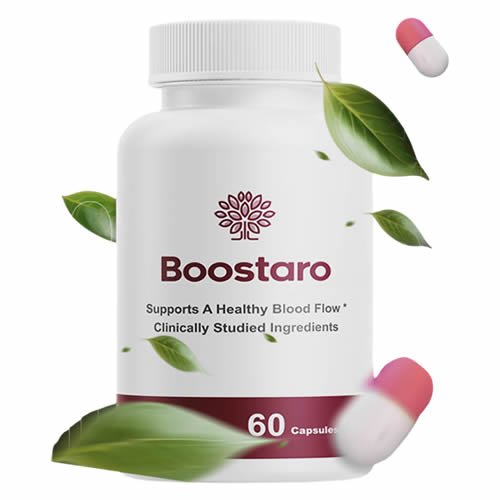
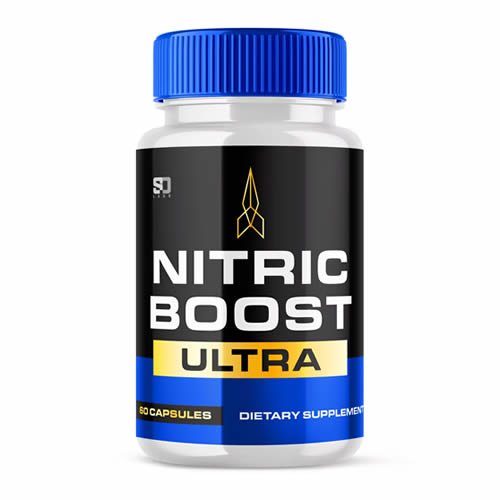
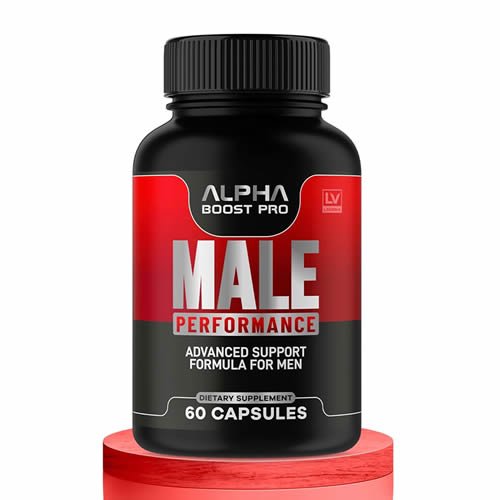
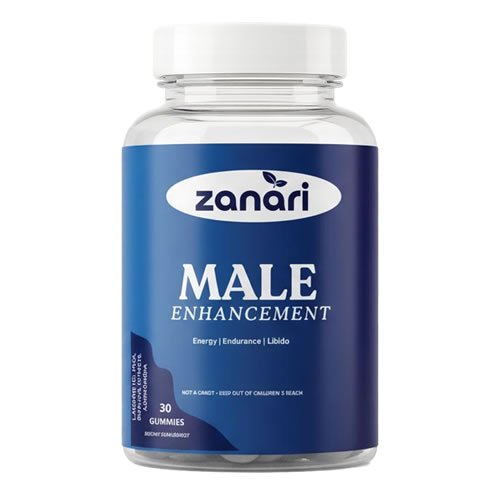
Natural compounds for sexual problems
Frequently Asked Questions about male sexual problems
Any persistent difficulty that prevents a fulfilling sexual life, such as erection issues, premature ejaculation, or lack of sexual desire, is considered a male sexual problem.
Not always. It can result from poor blood circulation or low testosterone, but also from stress, anxiety, or emotional factors affecting natural sexual response.
Yes, it’s completely normal. Most men experience occasional erection issues due to stress, fatigue, alcohol, or distraction during sexual activity.
They can occur at any age, but are more common after 40, when hormonal, metabolic, or lifestyle factors start to play a stronger role.
Yes. Performance anxiety or fear of failure can block arousal and make it difficult to achieve or maintain an erection during intercourse.
Yes. Excessive alcohol use can reduce sensitivity, alter circulation, and interfere with hormone production, leading to weaker erections or reduced libido.
Not necessarily. Many cases improve through lifestyle changes, stress reduction, physical activity, healthy nutrition, and the use of natural supplements or herbal therapies.
The most common are ginseng, maca, tribulus terrestris, and l-arginine. They improve circulation, stamina, and erectile response naturally and progressively.
Yes. With accurate diagnosis, healthy habits, and professional support, most cases can be resolved or greatly improved without the need for chronic medication.
See a doctor if symptoms are frequent, persistent, or affecting your emotional life or relationship. A specialist can find the exact cause and suggest proper treatment.
Yes. Regular exercise improves blood flow, hormone levels, and overall energy, which are key factors for better sexual performance and control.
Absolutely. Chronic stress drains both body and mind, reduces libido, and may cause hormonal imbalances that affect sexual performance and desire.
Yes. Adequate sleep, stress management, balanced nutrition, and regular physical activity can restore energy levels and increase sexual drive naturally over time.
Yes, significantly. Frustration or fear of failure can create insecurity and avoidance of intimacy, so it’s important to address the problem without shame or stigma.
Yes. Excessive consumption can alter arousal patterns and make real sexual experiences less stimulating, leading to erectile or desire problems.
Yes, but always under professional supervision. Some supplements can enhance or interfere with medications, so medical advice is essential before combining them.
It depends on the cause and treatment. Some men notice improvements within weeks, while others may need months to balance hormones and recover confidence.
Yes. Smoking damages blood vessels and reduces oxygen supply, which can cause or worsen erectile dysfunction over time.
Yes. Healthy lifestyle choices, stress control, avoiding tobacco and alcohol, and maintaining good cardiovascular health can prevent most sexual dysfunctions.
Scientific evidence on nutritional supplements for male sexual health
Below are key peer-reviewed studies evaluating the impact of nutritional supplements on male sexual function, erectile dysfunction and hormonal health. These sources provide critical insight into efficacy, safety and limitations.
-
Dietary supplements for erectile dysfunction: analysis of marketed products, systematic review, meta-analysis and rational use –
A recent meta-analysis found that substances such as L‑arginine, Panax ginseng and Tribulus terrestris show some improvement in erectile function, though most marketed blends lacked evidence.
Read full article on PubMed -
Effect of antioxidants supplementation on erectile dysfunction: a systematic review and meta-analysis of randomized controlled trials –
This review of 18 studies (1,331 men) showed that antioxidant supplement-treatment was associated with statistically significant improvements in IIEF scores versus placebo.
Read full article on PubMed -
A systematic review and evidence-based analysis of ingredients in popular male testosterone and erectile dysfunction supplements –
The study reviewed 105 RCTs and found that only about 19 % of ingredients achieved strong positive evidence (grade A) for improving sexual or hormonal parameters in men.
Read full article on PubMed -
Effect of vitamins on sexual function: a systematic review –
Research examining vitamins A, C, E, D and B3 found limited evidence in men; one RCT showed niacin (vitamin B3) improved erectile function but most vitamins did not show significant benefit in men.
Read full article on PubMed
Summary: While promising, the evidence for nutritional supplements in male sexual health remains mixed. Some individual nutrients show benefit, but product quality, dosage, and rigorous clinical trials are often lacking. Use with awareness and professional guidance.