
Not finishing at all? learn about your condition
Delayed ejaculation is a male sexual dysfunction characterized by persistent or recurrent difficulty in reaching orgasm and ejaculating, despite having adequate stimulation and sexual desire.
In many cases, the process can take an excessively long time or may not occur at all, which can lead to frustration for both the person experiencing it and their partner.
Although it is less common than other sexual disorders, such as premature ejaculation or erectile dysfunction, delayed ejaculation can have a significant impact on intimate life.
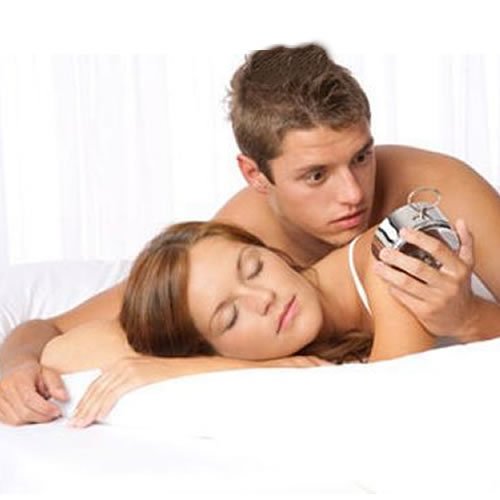
How to know if you have delayed ejaculation
First of all, you will experience persistent or recurrent difficulty reaching orgasm and ejaculating, even during intercourse.
Although there is no universally established time frame, many specialists consider it delayed ejaculation when stimulation during intercourse exceeds 20–30 minutes without achieving orgasm, despite maintaining an adequate erection. in some cases, a man may only ejaculate through manual stimulation or masturbation, but not during penetration.
Most clinical manuals and diagnostic criteria state that delayed ejaculation should be considered when this difficulty occurs consistently for at least 6 months, in the majority of sexual encounters and without being caused by occasional factors such as extreme stress, alcohol consumption, or fatigue.
Causes of delayed ejaculation
This condition can have multiple causes and is often the result of a combination of psychological, physiological, and situational factors.
Psychological factors: performance anxiety during intercourse, chronic stress, negative sexual experiences, low self-esteem, communication difficulties within the couple, or rigid beliefs about sexuality. it can also appear in men who feel pressure to “perform well,” which directly interferes with their ability to relax and reach orgasm.
Physiological issues: hormonal imbalances, especially low testosterone levels, nerve damage or reduced sensitivity (for example, in men with diabetes), neurological disorders, prostate problems, or side effects from pelvic surgeries can delay ejaculation.
Medication use: one of the most frequent factors is the use of medications, especially ssri antidepressants, antipsychotics, antihypertensives, and other drugs that affect sexual response.
Behavioral factors: excessive alcohol consumption, recreational drug use, or physical fatigue can also contribute to the development of delayed ejaculation.
How delayed ejaculation affects couple life
Similar to premature ejaculation, difficulty reaching orgasm can cause sexual frustration in both partners, reducing satisfaction during intimate encounters and affecting emotional connection. the partner may feel worried, rejected, or confused, which can sometimes lead to tension or misunderstandings in the relationship.
Over time, this situation can lead to avoidance of sexual activity, feelings of discomfort or resentment, and increased stress or anxiety related to sex.
in more extreme cases, lack of communication about the problem can damage the relationship, leading to abandonment or infidelity.
How to improve delayed ejaculation
There are various strategies to address this sexual dysfunction, and the choice depends on the underlying cause and the individual situation of each person. these are the most common:
- Sexual or psychological therapy: especially when there are emotional factors, performance anxiety, or relationship issues. a professional can teach techniques to improve body awareness, reduce anxiety, and enhance communication during sexual encounters.
- Behavioral exercises: these can also be helpful, including practices that increase stimulation and control during sexual activity, or sensory-focused methods that help connect better with physical sensations.
- Medications: in some cases, treatment may involve adjusting medications or nutritional supplements that interfere with ejaculation or using specific treatments prescribed by a healthcare professional to improve sexual function.
- Lifestyle changes: these can complement any treatment: reducing stress, maintaining regular physical activity, improving nutrition, limiting alcohol and drug consumption, and fostering a healthy sexual routine can promote gradual and sustained improvement in ejaculatory control.


frequently asked questions about delayed ejaculation
Delayed ejaculation is a male sexual dysfunction characterized by persistent or recurrent difficulty reaching orgasm and ejaculating, even with adequate stimulation and sexual desire. It can occur during intercourse or masturbation, and the frequency and severity vary from person to person.
It is considered a clinical problem when difficulty ejaculating occurs consistently for at least 6 months in most sexual encounters, interfering with sexual satisfaction for oneself or the partner, and cannot be explained by occasional factors such as extreme stress, alcohol consumption, or fatigue.
The causes of delayed ejaculation can include:
- Psychological: performance anxiety, chronic stress, negative sexual experiences, low self-esteem, communication difficulties with the partner, or rigid beliefs about sexuality.
- Physiological: hormonal imbalances (e.g., low testosterone), neuropathies (e.g., diabetes), prostate problems, neurological diseases, or side effects of pelvic surgeries.
- Medication use: especially SSRI antidepressants, antipsychotics, antihypertensives, and other drugs that affect sexual response.
- Behavioral or habitual factors: rapid or intense masturbation over time, excessive alcohol or drug use, or physical fatigue.
Yes, delayed ejaculation can cause sexual frustration, reduced satisfaction, and tension in the relationship. Lack of communication about the problem can increase anxiety, create resentment, and affect emotional intimacy, potentially leading to conflicts or breakups.
Common strategies include:
- Sexual or psychological therapy: reduces anxiety, improves communication, and enhances body awareness.
- Behavioral exercises: techniques to increase stimulation and control during sexual activity.
- Medications: adjustments of drugs that interfere with ejaculation or specific treatments prescribed by a healthcare professional.
- Lifestyle changes: reducing stress, improving nutrition, regular physical activity, and limiting alcohol or drug use.
In many cases, delayed ejaculation can improve significantly with an appropriate approach that combines therapy, habit changes, and, if necessary, medication. The response varies depending on the underlying cause and adherence to treatment.
Age can influence it due to hormonal changes, reduced nerve sensitivity, and chronic conditions. However, it can also occur in younger men, especially due to psychological factors or medications.
Yes, whenever difficulty ejaculating is persistent and affects sexual life or the relationship. A sexual health specialist or urologist can identify the cause and recommend the most suitable treatment.
Some supplements may improve overall sexual health and complement other treatments, especially those that support blood circulation, nerve function, or energy levels. However, they do not replace behavioral, psychological, or medical therapy and should always be used under professional supervision.
Maintaining healthy habits—such as reducing stress, getting enough sleep, exercising regularly, avoiding excessive alcohol or drugs, and practicing mindful masturbation—can support gradual and sustained improvement in ejaculation control.
Scientific evidence on delayed ejaculation
A comprehensive review concludes that delayed ejaculation is a multifactorial condition involving psychosexual‑behavioral, neurochemical, hormonal and anatomical factors. The review highlights the complexity of ejaculatory control, and the limited but growing understanding of its physiology. The pathophysiology of delayed ejaculation (Chen, 2016)
A large epidemiological review estimates that DE affects around 1‑4% of sexually active men. The study discusses how age, hormonal status, comorbidities, and certain medications may influence ejaculatory latency and contribute to acquired ejaculatory disorders. Epidemiology of delayed ejaculation (Di Sante et al., 2016)
A more recent population‑based analysis found a growing incidence of DE diagnoses from 2013 to 2019, reflecting possibly increased awareness, better screening or changing health patterns — although pharmacological treatment remains relatively uncommon. Population analysis of delayed ejaculation — prevalence, incidence, and pharmacotherapy trends (2023)
Clinical data comparing men with delayed ejaculation vs. those with Premature Ejaculation (PE) reveal that men with DE report significantly lower sexual satisfaction and higher depressive symptoms, underlining the psychological burden associated with DE. Men with delayed ejaculation report lower sexual satisfaction and more depressive symptoms than those with premature ejaculation (2023)
A systematic review of therapeutic approaches for DE shows that because causes are varied, treatment must be individualized — including psychological/sexual therapy, pharmacotherapy, and in specific cases procedures like penile vibratory stimulation. However, evidence is still limited and no universally effective “cure” exists. Delayed ejaculation: pathophysiology, diagnosis and treatment (Abdel‑Hamid & Ali, 2017)