
Learn in depth about ashwagandha and how it helps male health
Ashwagandha (Withania somnifera) is a medicinal plant that has been used for centuries in traditional ayurvedic medicine (to restore body and mind).
It is known as a natural adaptogen (it helps the body adapt to and resist physical, emotional, and environmental stress), and it has historically been used to improve energy levels and promote overall balance in the body. In recent years, it has begun to be used in high-performance natural supplements.
Various scientific studies support some of these uses, which has contributed to it becoming one of the most widely consumed natural supplements within modern herbal medicine. Understanding what it is, how it works, and in which cases it can be useful to improve male sexual health is one of the major challenges in this field of science.
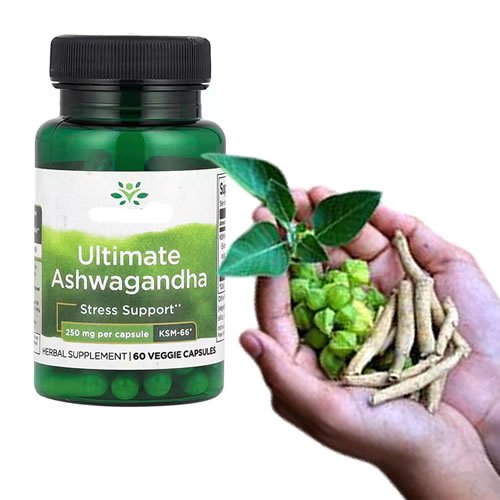
Benefits of ashwagandha for male sexual health
One of its main benefits is its ability to reduce stress and anxiety, factors closely linked to many sexual problems. By helping regulate cortisol levels, this plant promotes a greater sense of relaxation and control during sexual activity.
Another relevant benefit is its positive impact on hormonal function, especially in men with low or borderline testosterone levels. Various studies suggest that ashwagandha may help improve hormonal balance, which translates into increased sexual desire, greater vitality, and better overall sexual response.
In relation to premature ejaculation, ashwagandha may be indirectly beneficial. By improving stress resistance, concentration, and emotional control, many men experience a greater ability to manage arousal and delay the ejaculatory reflex. In addition, its adaptogenic effect may help break the anxiety–anticipation–failure cycle that often worsens this condition.
Finally, some scientific studies point to benefits for semen quality, physical energy, and endurance, which contributes to a more positive perception of sexual performance and greater confidence.
How to take ashwagandha and recommended dosages
Ashwagandha is commonly consumed in the form of standardized extract capsules, although it is also available as a powder or tincture. The most recommended option is the standardized extract, as it ensures a consistent concentration of withanolides, its main active compounds.
Most scientific studies use doses ranging between 300 and 600 mg per day of standardized extract (typically 5–10% withanolides). This amount is usually sufficient to obtain benefits related to stress reduction, improved overall well-being, and male sexual health.
It is recommended to take it with food to improve absorption and avoid digestive discomfort, in one or two daily doses. Some people prefer taking it at night, especially if they aim to improve sleep and reduce anxiety; others take it in the morning if the goal is to increase energy and resilience to stress.
The effects of ashwagandha are not usually immediate. Continuous use for 4 to 8 weeks is generally recommended to start noticing clear benefits. In many cases, it can be used long term, as long as the recommended dosages are respected.
Although ashwagandha is considered safe for most healthy adults, it is not recommended during pregnancy or breastfeeding, in cases of uncontrolled thyroid disorders, or when taking sedative, anxiolytic or hormonal medications without prior consultation with a healthcare professional.
Side effects and precautions before taking ashwagandha
In general, the side effects of ashwagandha are usually mild and infrequent, especially when the recommended dosages are respected. The most common include digestive discomfort such as nausea, stomach upset, diarrhea, or a feeling of heaviness, particularly when starting supplementation or when taken on an empty stomach.
In some isolated cases, it may cause mild drowsiness or an excessive sense of relaxation.
Ashwagandha is not recommended during pregnancy or breastfeeding, as there are not enough studies to guarantee its safety in these stages. It is also not advisable for individuals with uncontrolled thyroid disorders, as it may affect thyroid gland function.
Additionally, interactions may occur with sedative, anxiolytic, antidepressant, hormonal treatments, or medications for chronic illnesses, so prior consultation with a healthcare professional is advisable.
People with autoimmune diseases should also take precautions due to its potential modulatory effect on the immune system.
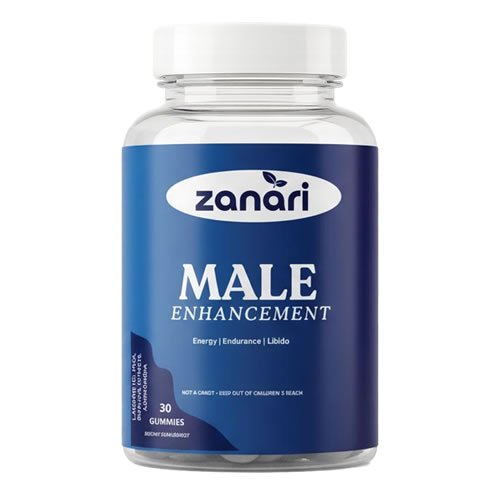
Natural supplements with ashwagandha
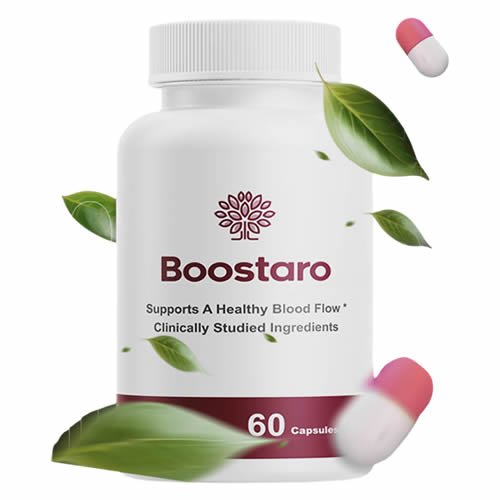
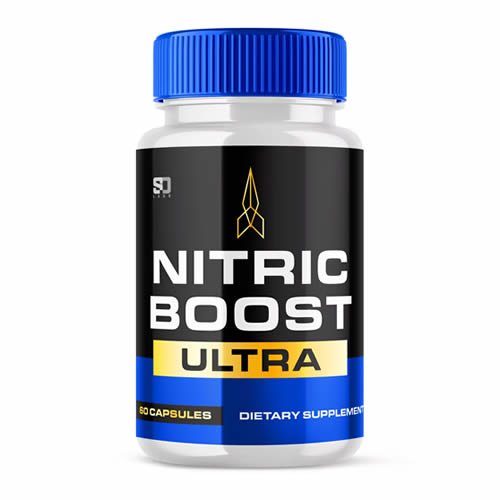
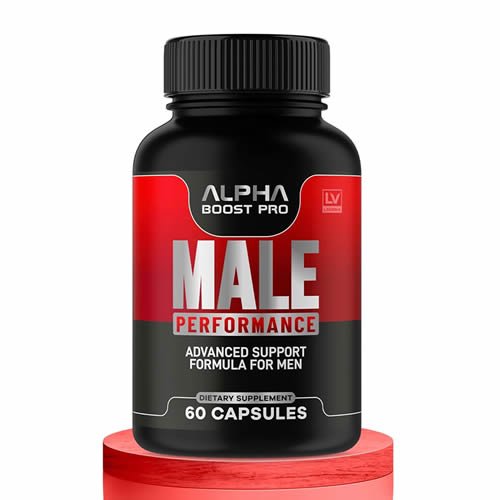
Ashwagandha recommended dosage table
| Sexual goal | Gender | Weight | Daily dose | Timing | Cycle | Notes |
|---|---|---|---|---|---|---|
| Libido + testosterone | Male | < 70 kg | 400–500 mg | Morning | 8–12 weeks | Improves desire and hormonal levels |
| Libido + testosterone | Male | 70–90 kg | 500–600 mg | Morning | 12 weeks | Most common sexual dose |
| Libido + testosterone | Male | > 90 kg | 600–750 mg | Morning | 12 weeks | Do not exceed without supervision |
| Erection (anxiety-related) | Male | < 80 kg | 300 mg | Night | 6–8 weeks | Reduces performance anxiety |
| Erection (anxiety-related) | Male | ≥ 80 kg | 300–400 mg | Night | 8 weeks | Not a direct vasodilator |
| Male fertility | Male | All | 500–600 mg | Morning | 12–16 weeks | Improves sperm count and motility |
| Libido and desire | Female | < 60 kg | 250–300 mg | Night | 6–8 weeks | Ideal for emotional stress |
| Libido and desire | Female | ≥ 60 kg | 300–400 mg | Night | 8 weeks | Improves arousal and well-being |
| Hormonal balance | Female | All | 300 mg | Night | 8–12 weeks | Useful during perimenopause* |
Frequently Asked Questions about Ashwagandha
Ashwagandha (Withania somnifera) is a medicinal plant used for centuries in traditional Ayurvedic medicine. It is known as a natural adaptogen that helps the body adapt to physical, emotional, and environmental stress.
Its main benefits include reducing stress and anxiety, improving hormonal function, increasing energy, enhancing sleep quality, and positive effects on male sexual health, including premature ejaculation.
Ashwagandha can improve stress control, concentration, and physical endurance, helping to delay ejaculation and increase libido. It may also support hormonal balance and improve semen quality and sexual vitality.
The usual dose of standardized ashwagandha extract is between 300 and 600 mg per day, with 5–10% withanolides. It can be taken in one or two daily doses, preferably with meals to improve absorption.
Effects are not immediate. Continuous use for 4 to 8 weeks is generally recommended to notice clear benefits in stress reduction, energy, and sexual health.
Side effects are usually mild and infrequent. Common ones include digestive discomfort such as nausea, diarrhea, or heaviness, and in some cases mild drowsiness or excessive relaxation.
It is not recommended during pregnancy or breastfeeding, in people with uncontrolled thyroid disorders, or in those taking sedatives, anxiolytics, antidepressants, hormonal treatments, or medications for chronic illnesses without medical supervision.
Ashwagandha may interact with certain medications, especially sedatives, anxiolytics, antidepressants, and hormonal treatments. Always consult a healthcare professional before combining it with other products.
In healthy individuals and respecting recommended dosages, ashwagandha can be used long term. It is important to take breaks and monitor any adverse effects during prolonged use.
The most recommended form is in standardized extract capsules, although it is also available as powder or tincture. Taking it with meals helps improve absorption and reduce possible digestive discomfort.
Yes, several studies show that ashwagandha can increase endurance, strength, and muscle recovery, which can also help improve sexual energy and vitality.
Scientific evidence and studies on Ashwagandha
A study published on NCBI showed that supplementation with Ashwagandha for 8 weeks significantly reduced cortisol levels and improved stress resilience in healthy adults.
Research on PubMed indicated that Ashwagandha can increase testosterone levels and improve semen quality, contributing to male sexual health.
A clinical trial published in Frontiers in Psychology showed that its intake improves anxiety, mood, and cognitive function, supporting its adaptogenic effect.
According to a study in the Journal of Ethnopharmacology, Ashwagandha enhances physical and muscular endurance, indirectly contributing to better sexual performance and vitality.
Another study published in Evidence-Based Complementary and Alternative Medicine confirmed its positive effect on reducing stress and anxiety, factors closely related to sexual issues such as premature ejaculation.