
Do you finish too quickly? learn about your condition
Premature ejaculation is a male sexual dysfunction characterized by a lack of control over the timing of ejaculation. It occurs when it happens before or shortly after penetration, without wanting it to. It is very common, but it often causes worry, frustration, or embarrassment.
In many cases, ejaculating too soon can happen occasionally and is not a problem, but when it occurs consistently, it can significantly affect the relationship.
The good news is that there are many effective solutions, whether through sex therapy, behavioral techniques, delay products, psychological support, or, in some cases, medication.
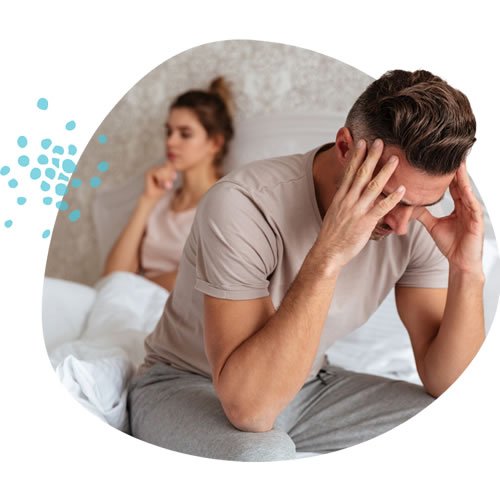
How to know if you suffer from premature ejaculation
It is not difficult to detect if you suffer from premature ejaculation; it is as simple as being unable to delay ejaculation, whether before penetration begins or just moments after (the standard reference is about one minute after penetration).
If this happens to you in most sexual encounters, without depending on the level of arousal or the situation at the moment, you may be experiencing this problem recurrently.
What causes premature ejaculation?
Below we detail the most common causes that may be making it difficult for you to delay ejaculation:
- Psychological and emotional factors: performance anxiety, everyday stress, pressure to “perform,” lack of experience, or new situations such as a new partner can accelerate the sexual response and make it harder to control ejaculation.
- Learned habits: a clear example is masturbating quickly for years, which can condition the body to respond too fast.
- Relationship factors: slightly less common are issues related to communication problems, tension, emotional insecurity, or long periods without sexual activity. these elements can increase emotional and physical sensitivity, leading to earlier ejaculation.
- Physiological causes: these are usually the least common. they include hormonal imbalances, hypersensitivity of the glans, prostate inflammation, neurological conditions, or side effects of certain medications. although these cases are minority, a health professional can identify them and provide appropriate treatment when a medical cause is suspected.
How problems with premature ejaculation affect life as a couple
This problem can significantly affect the relationship. lack of control over ejaculation can cause sexual frustration for both partners, reducing satisfaction and affecting emotional intimacy.
Over time, this situation can lead to tension, arguments, or even avoidance of sexual encounters or infidelity, which can weaken the connection and communication within the relationship, in extreme cases even leading to a breakup.
How you can improve with premature ejaculation
There are several options to treat ejaculation problems and delay it. the choice depends on the cause and the individual situation of each person. one of the most common alternatives is behavioral therapies and exercises, such as the “stop-start” technique or the squeeze technique, which help improve control over ejaculation through practice and body awareness.
Sexual or psychological therapy is also very useful, especially when the main cause is emotional or relational. a professional can teach strategies to reduce anxiety, improve communication with the partner, and strengthen confidence during sexual activity.
In some cases, pharmacological treatments can be considered, such as certain antidepressants, topical anesthetics, or specific medications prescribed by a health professional. additionally, lifestyle changes such as reducing stress, improving nutrition, and maintaining regular physical activity can significantly complement any treatment and improve sexual life quality.
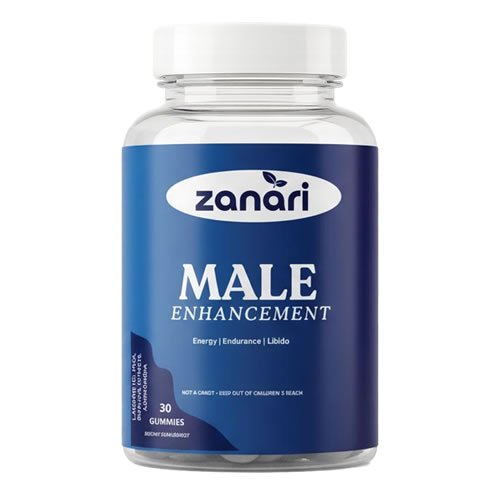
Some nutritional supplements may help improve overall sexual health and complement other treatments for premature ejaculation.
Among them are those that support blood circulation, nerve function, or energy levels, such as certain amino acids, b-complex vitamins, zinc, or specific plant extracts.
It is important to note that these supplements do not replace behavioral, psychological, or medical therapy, and should always be used under professional supervision to ensure safety and effectiveness.
Frequently asked questions about premature ejaculation
Premature ejaculation is a male sexual dysfunction characterized by the inability to control the timing of ejaculation, which occurs before or shortly after penetration and without intention. It can affect sexual and emotional satisfaction within the relationship.
The most frequent causes include psychological and emotional factors such as performance anxiety, stress, or lack of experience; learned habits like rapid masturbation; relationship factors such as communication problems; and less commonly, physiological causes such as hormonal imbalances, hypersensitivity of the glans, or side effects of certain medications.
Premature ejaculation may be suspected if ejaculation consistently occurs within about one minute after penetration or in a way that causes frustration, anxiety, or dissatisfaction in the partner. Evaluating frequency and emotional impact is key to determining if it is a recurrent problem.
Yes. It can generate sexual frustration, reduce emotional intimacy, and lead to tension, arguments, or even avoidance of sexual encounters. Anxiety and dissatisfaction can create a cycle that affects communication and trust within the relationship.
Yes. Common treatments include behavioral therapies and exercises, sexual or psychological therapy, and in some cases pharmacological treatments. Additionally, lifestyle changes such as reducing stress and improving nutrition can complement these treatments.
Some supplements may support overall sexual health and complement other treatments, such as those that improve circulation, nerve function, or energy levels (amino acids, B-complex vitamins, zinc, or plant extracts). However, they do not replace behavioral, psychological, or medical therapy and should always be used under professional supervision.
In most cases, yes. With proper diagnosis, personalized treatments, and professional support, it is possible to improve control over ejaculation and sexual satisfaction, both individually and within the relationship.
Yes. Occasional rapid ejaculation, especially due to nerves or intense arousal, is not considered a problem. Premature ejaculation is diagnosed when it occurs repeatedly and affects sexual or emotional life.
It can occur at any age after puberty, though it is more common in young men or in situations of high sexual anxiety. It can also appear at any age if emotional, relational, or physiological factors affect ejaculatory control.
It is recommended to seek help if ejaculation occurs persistently earlier than desired, causes frustration, or affects the relationship. A sexual health professional can evaluate causes, provide a diagnosis, and suggest appropriate treatments.
Scientific evidence on premature ejaculation
A recent umbrella review of systematic reviews and meta‑analyses concluded that pharmacological treatments (such as SSRIs, topical anesthetics, PDE5 inhibitors and tramadol) significantly increase intravaginal ejaculatory latency time (IELT) compared with placebo, though heterogeneity and side‑effects remain important limitations. Read umbrella review (2025)
A network meta‑analysis of 44 randomized controlled trials (11,008 patients) found that a combination of SSRI plus PDE5 inhibitor was the most effective pharmacological therapy for PE when administered for 8 weeks or more; topical anesthetics were most effective in shorter (< 8 weeks) use. All active treatments outperformed placebo. See network meta‑analysis (2020)
A 2016 meta‑analysis focusing on Paroxetine (an SSRI) concluded that paroxetine significantly increases IELT compared with placebo, fluoxetine and escitalopram, although with considerable heterogeneity across studies; combining paroxetine with behavioral therapy or a PDE5 inhibitor improved efficacy further. Paroxetine meta‑analysis (2019)
An earlier systematic review and meta‑analysis showed that Sildenafil and other PDE5 inhibitors — when used off‑label — were significantly more effective than placebo in prolonging IELT. Combining PDE5 inhibitors with SSRIs produced better ejaculatory control than SSRIs alone. Meta‑analysis PDE5 inhibitors (2015)
A 2024 meta‑analysis including 15 randomized controlled trials found that combining cognitive behavioral therapy (CBT) with SSRIs significantly prolonged IELT and improved ejaculatory control and sexual satisfaction, compared with SSRIs alone — without significant increase in side‑effects. CBT + SSRI meta‑analysis (2024)
A 2014 systematic review of behavioral therapies (such as “stop‑start”, “squeeze”, sensate focus or pelvic floor exercises) found some RCTs reporting increases in IELT (e.g. 7–9 more minutes), and improvements in sexual satisfaction or confidence; however, results were inconsistent and many studies had methodological limitations. Behavioral therapy review (2014)