
Benefits, properties, and health effects of Ginkgo Biloba
Ginkgo biloba is an herbal extract obtained from the leaves of the Ginkgo tree, one of the oldest living species in the world. It is traditionally used to support blood circulation, mental energy, and overall well-being.
This natural compound is known for its potent antioxidants, which help protect cells from oxidative stress and promote optimal body function. It is commonly used in supplements aimed at enhancing vitality.
In the field of sexual health, Ginkgo biloba stands out for its influence on blood flow and nervous system response, factors that contribute to physical performance and the emotional balance required for a healthy intimate life.
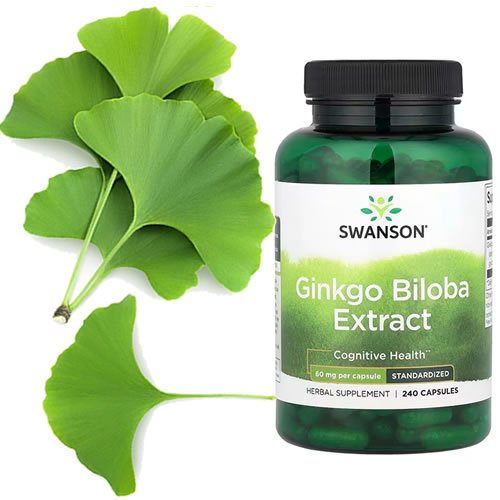
Main benefits of Ginkgo Biloba for sexual health
Ginkgo biloba is widely used as a natural support for those looking to enhance their sexual performance without relying on drugs such as sildenafil or tadalafil. Its main action focuses on supporting healthy blood circulation, a key factor for an adequate sexual response. By improving blood flow to the tissues, it may contribute to more efficient erectile function in a gradual and natural way.
Another key benefit is its influence on neuronal activity and the communication between nerve impulses, processes directly associated with arousal, sensitivity, and sexual response. This neurological support may help men and women who experience difficulties related to stress, fatigue, or emotional disconnection.
Additionally, Ginkgo biloba contains antioxidant and anti-inflammatory properties that support vascular and hormonal well-being, factors that indirectly contribute to better performance during intercourse. Although its effects are not immediate nor comparable to erectile dysfunction medications, many people use it as a natural complement within a more holistic approach to intimate health.
How to Take Ginkgo Biloba and Recommended Dosage
The usual daily dosage of Ginkgo biloba in supplements ranges between 120 and 240 mg of extract, divided into one or two servings. The most common formulas are standardized to 24% ginkgo flavone glycosides, a level frequently used in studies and commercial products.
It is recommended to take the supplement with food to support absorption and minimize possible digestive discomfort. When taken in two doses, one is usually consumed in the morning and the other in the afternoon to maintain a steady effect throughout the day.
The effects develop gradually, so most people take Ginkgo biloba for 4 to 8 weeks to evaluate its benefits in terms of energy, focus, or sexual well-being. It should never be combined with anticoagulant medications or started by individuals with bleeding disorders without professional supervision.
Side effects and precautions before taking Ginkgo Biloba
In most cases, Ginkgo biloba does not cause unwanted effects when taken at the recommended doses. However, some individuals may experience mild side effects such as headaches, digestive discomfort, dizziness, or skin reactions. These symptoms are usually temporary and disappear when the dose is adjusted or the supplement is discontinued.
One of the most important aspects to consider is its impact on blood clotting. Ginkgo may have a mild anticoagulant effect, so it should be avoided by individuals taking blood-thinning medications such as warfarin, heparin, or certain antiplatelet drugs. It should also be discontinued prior to scheduled surgeries to reduce the risk of bleeding.
Additionally, caution is recommended in cases of epilepsy or a history of seizures, as low-quality extracts or non-standardized products could contain compounds that increase seizure risk. Pregnant or breastfeeding women should avoid its use due to a lack of solid evidence on safety. As a general rule, it is always advisable to consult a healthcare professional before starting any supplement.
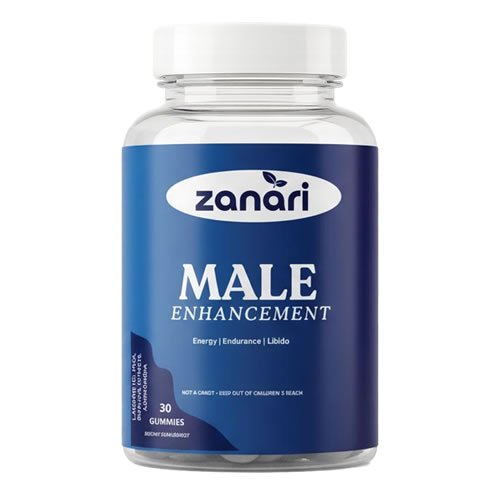
Natural compounds with Ginkgo Biloba
Dosage of Ginkgo Biloba by weight and gender
| Goal | Gender | Weight | Daily Dose | Timing | Cycle | Notes |
|---|---|---|---|---|---|---|
| Libido & sexual function | Male | < 70 kg | 120–160 mg | Morning | 6–8 weeks | Improves circulation, mild libido support |
| Libido & sexual function | Male | 70–90 kg | 160–200 mg | Morning | 8 weeks | Common male dose for mild ED |
| Libido & sexual function | Male | > 90 kg | 200–240 mg | Morning | 8–10 weeks | Do not exceed 240 mg/day without supervision |
| Libido & sexual function | Female | < 60 kg | 80–120 mg | Morning | 6–8 weeks | Supports blood flow and sexual responsiveness |
| Libido & sexual function | Female | ≥ 60 kg | 120–160 mg | Morning | 8 weeks | Improves arousal and cognitive alertness |
| Cognitive support / stress | All | All | 120–240 mg | Morning / split dose | 8–12 weeks | Enhances circulation, memory, and mood |
Frequently Asked Questions About Ginkgo Biloba
Ginkgo biloba is an herbal extract derived from the leaves of the Ginkgo tree, known for its effects on circulation, cognitive performance, and overall well-being.
Yes, it may support sexual response by enhancing blood flow and neural activity, although its effects are gradual and not comparable to medications like sildenafil.
Most people require 4 to 8 weeks of consistent use to evaluate improvements in energy, concentration, or sexual well-being.
The usual dosage ranges between 120 and 240 mg per day of standardized extract (24% ginkgoflavones), taken in one or two servings.
Yes, taking it with meals is recommended to improve absorption and avoid possible digestive discomfort.
It is not recommended for people taking anticoagulants, those with bleeding disorders, seizure history, or pregnant and breastfeeding women.
Some users may experience mild side effects such as headaches, dizziness, skin reactions, or digestive upset, typically temporary.
Generally yes, but it should not be mixed with other products that affect blood clotting without professional supervision.
It usually does not, although sensitive individuals might experience slight stimulation. If so, it is better taken in the morning.
Yes, its benefits on circulation and neural response can support sexual function in both men and women.
No. While it may gradually support sexual performance, it does not act like PDE5 inhibitors nor does it produce immediate effects.
Generally yes, as long as appropriate doses are maintained and medical advice is sought if underlying conditions exist.
Yes, daily use is common, though periodic breaks or professional check-ups are recommended for long-term supplementation.
It may enhance mental clarity and cognitive performance due to its effect on cerebral circulation and antioxidant compounds.
Scientific evidence on Ginkgo biloba
Scientific research on Ginkgo biloba is extensive, especially concerning its effects on blood circulation, cognitive performance, and neurovascular health. Although it is not considered a pharmacological substitute for PDE5 inhibitors, several studies have examined its potential indirect benefits on sexual function through improved blood flow and neural activity.
A meta-analysis published in Phytomedicine evaluated standardized extracts such as EGb 761 and reported significant improvements in microcirculation and endothelial function. You can read the study here: Phytomedicine Meta-analysis (2015).
In the field of sexual health, a pilot study from the Journal of Sex & Marital Therapy investigated Ginkgo biloba for antidepressant-induced sexual dysfunction, reporting mild improvements in arousal and lubrication in women. Study available here: Pilot Study – Journal of Sex & Marital Therapy.
Additionally, a review published in Human Psychopharmacology examined its neurological effects, highlighting potential interactions with dopamine and nitric oxide pathways, though evidence remains inconclusive for direct sexual outcomes: Human Psychopharmacology Review (2020).
In the vascular sphere, a clinical trial in Circulation found that Ginkgo biloba extracts improved arterial elasticity and peripheral perfusion, supporting its role in circulatory health—an essential factor in erectile function: Clinical Trial – Circulation.
Finally, a review in Frontiers in Pharmacology emphasized that Ginkgo biloba’s benefits generally appear after several weeks of consistent use and depend heavily on extract quality, especially those standardized to 24% ginkgo flavone glycosides. You can access the review here: Frontiers in Pharmacology Review (2022).